




The Endangered Species Act once told California homeowners they couldn't clear firebreaks around their houses – and 29 of them burned to the ground.
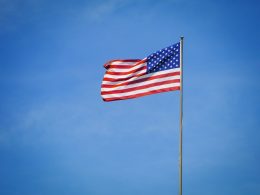
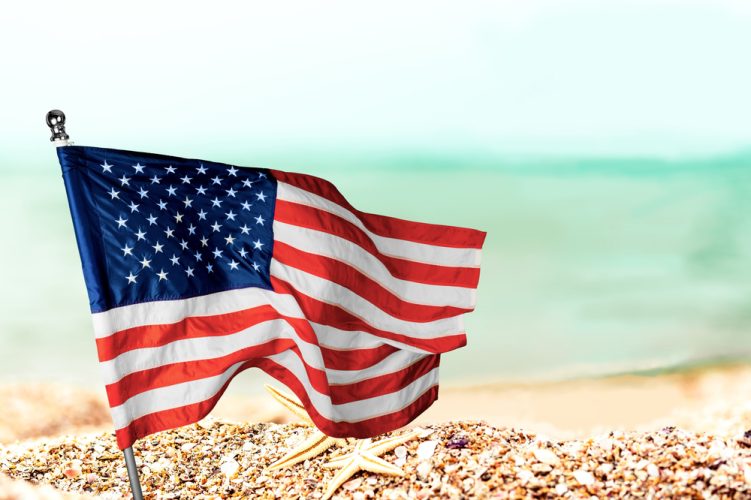
That same law is now being used in Massachusetts to threaten Americans flying the flag on the eve of the country's 250th birthday.
What the Town of Newbury put in writing to Plum Island homeowners last week should alarm every property owner in America.
The Endangered Species Act Letter That Threatened Fines and Arrest
Marc Sarkady has lived on Plum Island off the coast of Massachusetts for over 30 years.
He and his neighbors spent weeks organizing a grassroots patriotic display – distributing 50 American flags and 100 revolutionary-style signs reading "Plum Island Honors America" across the island.
Then the Town of Newbury sent a letter.
The notice warned residents the town had "become aware of the use of devices and materials intended to deter" protected shorebirds from beach and dune areas.
The letter listed "mylar streamers, flags, [and] reflective materials" as examples of illegal deterrents.
It warned that displaying them "may be viewed as harassment or disruption of normal feeding, nesting, or migratory behavior" under state and federal Endangered Species Acts.
"Non-compliance may result in state or federal enforcement actions," the notice stated.
Sarkady's reaction was immediate: "Are you serious? You're telling me I can't fly American flags on my property to celebrate America 250?"
Massachusetts Officials Used This Tactic on a Neighbor Last Year
The previous summer, a state fisheries and wildlife agent mailed a near-identical warning to a different Plum Island homeowner after she hung decorative banners in her beachside yard.
Then the official called her directly.
According to Sarkady, the state agent threatened her with severe fines and potential arrest if she refused to comply.
She took the banners down out of fear.
MassWildlife denies the phone call happened – but the neighbor removed her decorations and the government got exactly the result it wanted.
Bureaucratic intimidation does not require enforcement – it requires fear.
Town Administrator Tracy Blais insists the town is "not in any way attempting to interfere with the property owner's rights" and claims the letter merely "recited provisions of the law."
Letters carrying legal penalty language are not gentle reminders – they are warnings engineered to produce compliance without requiring enforcement.
Pacific Legal Foundation Sends Letter Demanding Property Rights Answer
Sarkady and two neighbors contacted the Pacific Legal Foundation after receiving the notice.
PLF – which has won 18 cases before the United States Supreme Court defending property and individual rights – responded on Wednesday.
The group sent a letter to Newbury Conservation Agent Mason Ferrick demanding the town clarify whether homeowners are actually legally prohibited from flying flags on their own private property.
PLF also flagged a fact the town's letter left out: no court has ever found a homeowner liable under the Endangered Species Act for displaying decorations on private property.
Not once.
PLF's Mark Miller was direct: "Flying the red, white, and blue on the Fourth of July is as American as apple pie."
He quoted John Adams: "Property must be secured, or liberty cannot exist."
The government is threatening people with laws that have never been successfully applied the way they are threatening to apply them.
What the ESA Actually Does to Property Owners
The Endangered Species Act grants federal and state agencies enormous power over private land – power that has been abused for decades.
In 1993 in Riverside County, California, the Fish and Wildlife Service ordered homeowners not to use firebreaks around their homes because the land had been designated as habitat for the Stephens' kangaroo rat.
When serious wildfires swept through that October, 29 homes burned.
29 families lost their homes because they followed the rules.
Roughly half of all threatened and endangered species habitat sits on privately owned land.
That gives federal and state agencies leverage over millions of property owners who have done nothing wrong – leverage they use.
Sarkady pointed out that Plum Island features roughly ten miles of open beach completely free of homes where birds roam without interference.
The piping plovers have a nature preserve.
What the birds cannot tolerate – according to Massachusetts officials – is an American flag on someone's private lot.
PLF has beaten this argument in court before.
What Massachusetts bureaucrats sent to Plum Island homeowners was not a legal opinion – it was a pressure campaign designed to make Americans surrender their rights without a courtroom fight.
On the 250th anniversary of this country, that is the fight worth having.
Sources:
- Kristine Parks, "Homeowners in coastal town fuming at warning against July 4 flags that could harm endangered birds," Fox News, June 27, 2026.
- Mark Miller, "Flying the red, white, and blue on the Fourth of July is as American as apple pie," Pacific Legal Foundation, June 25, 2026.
- John Echeverria and Sharon Dennis, "The Endangered Species Act: Making Innocent Species the Enemy," PERC, April 1995.