The BBC spent years calling Brexit voters extremists and anyone who disagreed a threat to democracy.
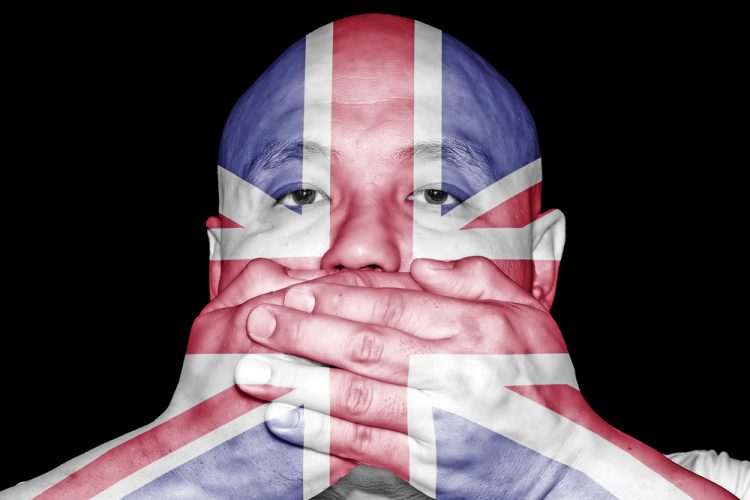
Now the UK Labour government wants the law to force government propaganda on social media users.
But the White House just found something specific buried in that proposal that made them demand Britain withdraw it entirely.
The UK government's Department for Culture, Media and Sport published a green paper in June titled "Watch This Space: A New Strategic Direction for UK Media." The plan is simple: require platforms like YouTube, Instagram, and TikTok to make content from so-called "public service media" – BBC, ITV, Channel 4 – "prominent and easily discoverable" in user feeds.
The government calls it fighting misinformation. What it actually does is force American tech companies to build a two-tier information system.
BBC and government-approved outlets go on top. Everyone else gets buried – GB News, independent journalists, any outlet that lacks a government credential.
All of them pushed below the fold because they didn't make the Labour Party’s approved list.
Britain says it would prefer the industry fall in line on its own. If that fails, legislation is waiting. YouTube has already objected. Reform UK leader Nigel Farage spoke against it publicly. Neither slowed the proposal down.
House Judiciary Committee Chairman Jim Jordan saw it first, writing to UK Culture Secretary Lisa Nandy in July.
"Several of DCMS's proposals would hurt the free, competitive marketplace of ideas," Jordan warned, "and instead prioritize state-sanctioned media outlets with the goal of influencing the scope and direction of public discourse."
Jordan also flagged what would happen to American platforms specifically. Whatever algorithm changes London mandates don't stay in London.
YouTube operates globally. A UK prominence requirement means American engineers rewriting American code to promote British state media – and those changes ripple across every user in every country.
The US Embassy in London filed a formal consultation response on September 2, and the language stripped away any diplomatic cushion: "We ask that the UK withdraw any plans to mandate that platforms algorithmically amplify government-preferred media."
Nobody in the UK government has explained who decides which outlets count as "trustworthy." The Online Safety Act already gives recognized publishers appeal rights before platforms can touch their content.
Stacking algorithmic promotion on top of that widens the gap between approved outlets and everything outside the government's approved category – including American news organizations that don't qualify under UK law.
That is the smaller problem. The UK green paper specifically identified "times of social unrest or crisis" as the key moments when government-preferred media needs to be most prominent in user feeds.
That is a government censorship kill switch dressed up as public service broadcasting. When citizens are most likely to be searching for information the government finds inconvenient – during protests, political upheaval, or civil disorder – the law would kick in to ensure they see state media first. Independent outlets get algorithmically suppressed at exactly the moment they matter most.
The US Embassy called it exactly that: "a mechanism for viewpoint-based censorship."
The submission also warned of what comes next. "Such a framework," it read, "also risks disincentivizing viewership for or reducing the reach of independent journalists who lack the credentials deemed 'trustworthy' by the government."
The US also flagged the extraterritorial consequences – any algorithmic changes to global platforms would affect American speech online, not just British citizens.
The US Embassy went further. Force American platforms to amplify government-preferred media, it warned, and the mandate "could establish a template that authoritarian regimes could invoke to justify more control over online content."
When the UK legislates that the BBC gets priority during a crisis, Beijing and Moscow get an argument. If Britain can boost state media when the streets get uncomfortable, so can everyone else.
The UK government's response to the US criticism was that it "strongly believes" in free expression and that any future action would protect it. That's the same government that published a plan to demote every outlet that doesn't carry a government-issued trustworthiness certificate.
Jim Jordan warned London in July. The White House demanded Britain back down in September. Labour answered with a press statement about its commitment to free expression – issued by the same party that buried a crisis censorship mechanism in a media regulation bill and called it public service broadcasting.
Sources:
- U.S. Embassy and Consulates in the United Kingdom, "U.S. Government Response to 'A New Strategic Direction for UK Media – Green Paper and Public Consultation,'" U.S. Embassy London, September 2, 2026.
- House Judiciary Committee Republicans, "Chairman Jordan Requests Briefing from UK Official on Proposal Forcing American Social Media Platforms to Display Government-approved News Sources," House Judiciary Committee, July 14, 2026.
- Department for Culture, Media and Sport, "Watch This Space: A New Strategic Direction for UK Media," UK Government Green Paper, June 23, 2026.
- Andrew Stuttaford, "Britain's Ever Deeper Descent into Censorship," National Review, June 21, 2026.