


Grocery prices finally started dropping after Trump took office.
Now the World Health Organization wants to send them right back up.
What WHO just unveiled is a $1 trillion global food tax machine – and blue cities are already carrying it out.
WHO's Ultra-Processed Food Tax Would Hit Every Item in Your Cart
The World Health Organization released a draft "Integrated Food Profiling Model" this week – a global template designed to help governments decide which prepackaged foods to tax, restrict, label, and regulate.
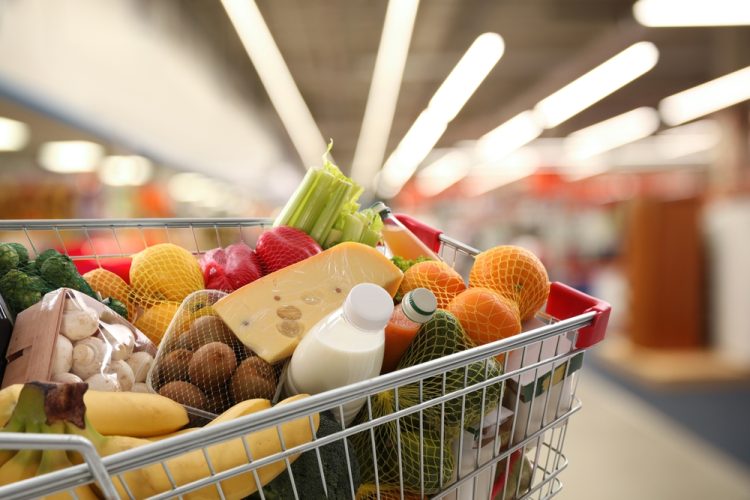
Every item in your grocery cart is in play.
The model flags products based on added sugars, saturated fat, trans fat, and sodium.
Your diet soda doesn't get a pass either – WHO flags artificial sweeteners because, in their view, sweeteners "encourage consumption."
Taxpayers Protection Alliance executive director Ross Marchand called it "a clear recipe for soaring regulatory and litigation costs that will almost certainly get passed down to shoppers at the register."
He added that regulations like this "drive up prices on everyday staples and distort markets, while benefits to consumers fail to materialize."
The proposal is part of WHO's formal "3 by 35" campaign – a global program targeting a 50 percent increase in prices on tobacco, alcohol, and sugary drinks by 2035, with an explicit goal of raising $1 trillion in tax revenue.
The food profiling model adds ultra-processed food – more than 70 percent of what Americans buy at the grocery store – to that same pipeline.
Blue Cities Already Have Food Taxes – and Grocery Prices Went Up Anyway
Berkeley became the first American city to follow the WHO blueprint with a sugary drink tax back in 2014.
Philadelphia, Seattle, and Boulder all followed.
Washington state Democrats proposed a sugar tax this year that would add 3 cents per fluid ounce on sweetened beverages – a 72-cent surcharge on a single 24-ounce coffee.
Maryland Democrats pushed for a statewide soda tax their own backers said would generate $500 million annually.
San Francisco sued major food manufacturers over ultra-processed foods last year, using exactly the public health framing at the center of WHO's new model.
These cities are the domestic preview of the same globalist food tax framework WHO wants governments everywhere to adopt.
And WHO's own data proves it makes things more expensive, not less.
The organization's 2025 global report tracked sugar taxes across 116 countries.
Sugary beverages became more affordable in 62 countries and less affordable in only 34.
In Colombia, processed food spending went up 6.5 percent the year after taxes were imposed.
WHO's response to their own failure: raise taxes higher and cover more food categories.
WHO Went From Tobacco to Alcohol to Food – and Climate Taxes Are Next
WHO formalized the global tobacco tax framework in 2003 – more than 180 countries have since signed the Framework Convention on Tobacco Control.
Food is next on that same list – and the food profiling model is the document that sets it in motion.
What comes after food?
United Nations negotiators are already running parallel talks on a global carbon tax framework – and advocates are openly linking the two as pieces of the same global revenue system.
Trump beat back the International Maritime Organization's global carbon tax on shipping, calling it "the Global Green New Scam Tax."
RFK Jr. and Agriculture Secretary Brooke Rollins submitted America's first federal definition of ultra-processed foods for final review in August – keeping that decision in Washington, not Geneva.
Sen. Mike Lee and Rep. August Pfluger introduced the UNtaxed Act to permanently cut funding to any UN agency that tries to impose taxes on Americans.
Lee told Breitbart: "Americans will never cede their sovereignty to UN busybodies and their socialist redistribution schemes."
WHO publishes the blueprint, blue cities pilot it, blue states formalize it, and Democrats eventually push it federal – using the UN framework as cover to make it permanent.
The comment window closes November 27.
Trump keeps the food decision in Washington.
The WHO model hands it to bureaucrats Americans never voted for.
Your grocery bill is already high enough.
Sources:
- Tom Joyce, "Big Brother? WHO food tax proposal draws warnings it may inflate grocery prices," Just the News, November 8, 2026.
- "Secretary Kennedy Announces Landmark Food Policy Reforms to Advance President Trump's MAHA Agenda," HHS Press Office, August 10, 2026.
- "MAHA: RFK Jr. Announces Policy Changes for Food Ingredients," Breitbart, August 10, 2026.
- "Sen. Lee and Rep. Pfluger Take Aim at Globalists with Bill to Shield Americans from U.N. Taxes," Breitbart, December 8, 2025.
- "WHO Pushes Countries to Raise Prices on Sugary Drinks, Alcohol and Tobacco by 50%," Reuters, August 17, 2026.
- Kip E. Tom, "Trump enacted the policies that made lower grocery prices possible," Washington Examiner, July 28, 2026.