





The World Health Organization has been on a power grab for years.
Now they're making their boldest move yet.
And the WHO just issued one plan that has Americans terrified about what comes next.
The unelected bureaucrats running the World Health Organization dropped their newest blueprint for controlling your life, and conservatives who warned about this years ago were right all along.
The organization just released an updated "Global strategy on digital health 2020–2027" that pushes trackable wearables, AI-driven monitoring, and centralized data control for every person on earth.
WHO claims it's all about "universal health coverage" and making sure everyone gets the healthcare they need without financial hardship, but that's the same kind of doublespeak the radical Left always uses when they're trying to grab more power.
And here's what makes this even more dangerous: WHO is effectively controlled by China, meaning Beijing would have access to health data on Americans through this global surveillance system.
WHO Building Global Infrastructure for Mass Surveillance
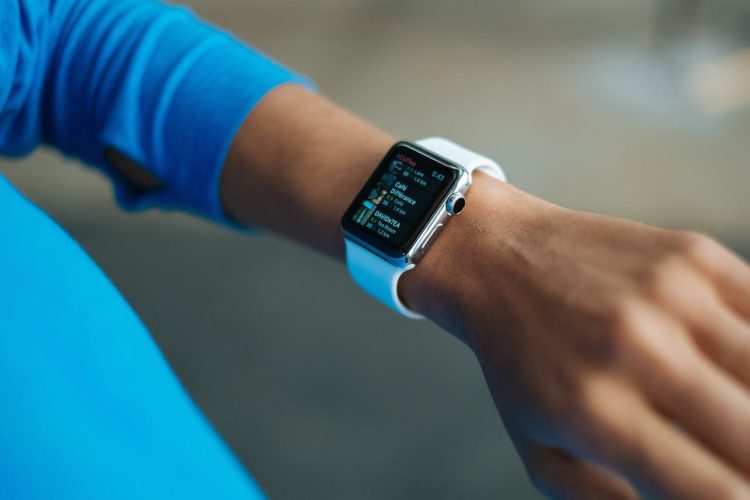
The strategy covers everything from smartphone apps to what WHO calls "artificial intelligence, big data analytics and smart wearables."¹
Translation: They want devices on your body collecting data 24/7, algorithms making decisions about your health, and massive databases tracking every person's medical information across international borders.
Think about what that means for your family.
Your doctor visits, prescriptions, heart rate, sleep patterns, location data—all flowing into international databases that China-controlled WHO bureaucrats can access.
Your teenage daughter's health information shared with foreign governments.
Your medical decisions second-guessed by AI algorithms programmed by people who don't answer to American voters.
WHO admits 129 countries have already adopted digital health strategies, and over 1,600 government officials have been trained on these systems.¹
The organization's push rests on four pillars that sound reasonable until you read between the lines.
First, they want governments and private companies to "share knowledge" globally, which means your private health data flowing to bureaucrats in Geneva who nobody elected.
Second, every country needs to build national systems synced with WHO's standards, pressuring nations into giving up sovereignty over their own healthcare.
Third, they're calling for permanent global governance structures to regulate AI and data—the kind of international control that's nearly impossible to dismantle once it's in place.
Fourth, they're pushing "digital health literacy" for populations, conditioning citizens to accept wearable tracking devices and algorithmic oversight as normal everyday life.
Conservative Watchdogs Sound Alarm on WHO Power Grab
WHO says technologies like remote monitoring and big data analytics can "enhance health outcomes by improving medical diagnosis," but here's what they're not telling you.¹
The same tools track your location, monitor your behavior, build predictive profiles on entire populations, and enforce social compliance through digital IDs.
Especially when tied to wearables capable of collecting your physiological data in real time.
This comes as WHO continues pushing its pandemic treaty and expanded surveillance powers that would give the organization unprecedented authority to dictate health policy inside sovereign nations.
Critics have been sounding the alarm about WHO's power grab for years.
The organization has been working on a pandemic treaty tied to digital passport systems since 2021, with plans to link every person on the planet to a QR code digital ID.
"Vaccination certificates that are tamper-proof and digitally verifiable build trust," WHO's Department of Digital Health and Innovation head Garret Mehl said back when they were developing the system.²
"WHO is therefore supporting member states in building national and regional trust networks and verification technology."
Canadian parliament member Leslyn Lewis warned the treaty would allow WHO to unilaterally determine what constitutes a pandemic and declare when one is occurring.²
"We would end up with a one-size-fits-all approach for the entire world," Lewis explained.
Under WHO's proposed plans, pandemics wouldn't need to be limited to infectious diseases—they could declare an obesity crisis or climate emergency and use it to justify the same surveillance apparatus.
President Trump recognized the danger WHO poses to American sovereignty and signed an executive order on his first day back in office withdrawing the United States from the organization, cutting off America's $260 million in annual funding.³
Trump cited WHO's "mishandling of the COVID-19 pandemic that arose out of Wuhan, China" and the organization's "inability to demonstrate independence from the inappropriate political influence of WHO member states."³
That's diplomatic language for what everyone knows: WHO covered for China during COVID and still takes orders from Beijing.
Trump also ordered an end to negotiations on WHO's pandemic treaty and stopped all U.S. personnel from working with the organization.
Brett Schaefer from the Heritage Foundation explained Trump's order was "much broader than just withdrawing from the WHO" because it immediately suspended funding and recalled American staff.³
WHO's digital health strategy insists these technologies will be "central to universal health coverage, pandemic preparedness and climate-resilient systems."¹
But each of those policy areas has already been weaponized to justify greater government control, expanded surveillance, and attacks on individual freedom.
Trump's withdrawal gives America a four-year reprieve, but the threat isn't gone.
The next Democrat President will reverse Trump's order the same way Biden did in 2021, putting your private health data back in the pipeline flowing to China through WHO's databases.
Biden reversed Trump's 2020 WHO withdrawal on his very first day in office, proving Democrats will always choose globalist control over American independence.
Conservatives warned for years this was coming.
They said WHO wanted a global surveillance state.
They said the pandemic treaty was about control, not health.
They said China was pulling WHO's strings.
Turns out they were right about everything.
The concern from watchdogs is straightforward: if a global health agency can pressure governments into adopting trackable devices, AI health profiling, and international databases—all outside democratic accountability—the line between healthcare innovation and population control disappears entirely.
¹ World Health Organization, "Global strategy on digital health 2020–2027," December 2025.
² Aaron Kheriaty, "The WHO Treaty Is Tied to a Global Digital Passport and ID System," Brownstone Institute, February 15, 2024.
³ Brett Schaefer, "Reactions to Trump's withdrawal of U.S. from WHO," NPR, January 21, 2025.