




America spent billions ripping Huawei equipment out of its own telecom networks after trusting China for years.
The same hidden-component playbook is now targeting American cars.
One Western military just found out exactly how Beijing does it.
How Chinese Spy Technology Gets Into American Cars Without Selling a Single Vehicle
Britain's Ministry of Defence ran a routine cybersecurity check on its Kraken K3 Scout naval drones and found something the manufacturer never disclosed. Chinese-made components embedded in those drones were quietly transmitting data back to China, forcing Defence officials to strip all internet connectivity from the affected cameras.
Beijing's playbook is working exactly as designed.
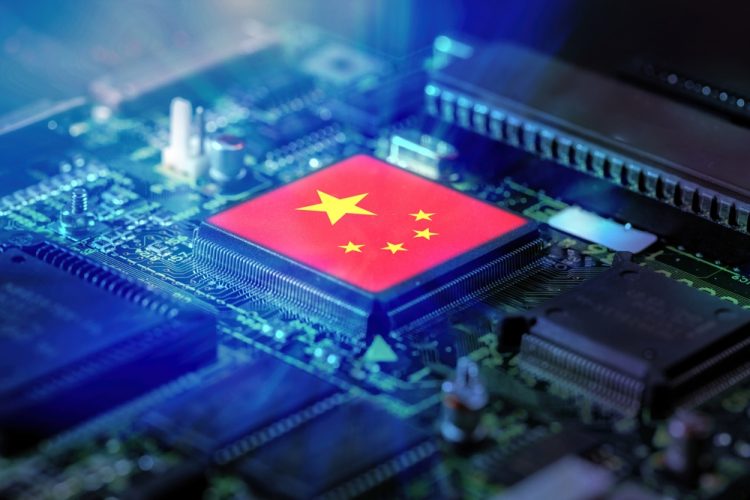
China does not need to sell Americans a car to execute it. All Beijing needs is one component quietly embedded somewhere in the supply chain where no one is checking – one camera, one chip, one piece of software – and then it waits for that access to become useful.
Former Acting DHS Secretary Chad Wolf described the mechanism in a Fox News op-ed. Beijing embeds itself into Western supply chains through theft, espionage, and strategic industrial policy – then uses that dependency to extract intelligence and plant vulnerabilities for later use.
America has seen this script before. When Huawei equipment embedded itself in American telecom networks, Congress eventually banned it and spent billions pulling that hardware out of systems it had quietly worked its way into for years.
The Heritage Foundation has documented how deep the problem already runs: nearly one in 10 direct suppliers to major defense contractors are Chinese firms.
Chinese Cars and EVs Collect Data on American Roads and Send It to Beijing
Every new car on American roads is a rolling data collection device. Cameras capture what surrounds the vehicle, GPS logs every road traveled, and internet-connected hardware sends that data back in real time.
Software now governs the most critical physical functions in the vehicle, and Chinese companies are major players in the batteries, chips, and connected components powering all of it.
China is now the world's largest vehicle exporter, and Chinese automakers are pushing for every possible entry point into the American market. They do not need to put a BYD in an American driveway to win.
The same hidden access that compromised a British military drone works in a Ford or a Toyota if those vehicles carry Chinese-made components.
At scale, millions of vehicles feeding data to Beijing give it something no satellite can match – continuous, ground-level intelligence on American movements, including which vehicles enter military installations, power plants, and ports.
Senator Elissa Slotkin called Chinese cars what they are: "surveillance packages on wheels, with the ability to collect on American citizens and transmit that data back to Beijing."
Surveillance is the floor, not the ceiling. If Beijing decides to act, vulnerabilities spread across millions of American vehicles give it the means to bring transportation to a halt.
Connected Vehicle Security Act Would Permanently Ban Chinese Cars From American Roads
Ohio Republican Senator Bernie Moreno and Michigan Democrat Senator Elissa Slotkin introduced the Connected Vehicle Security Act of 2026 to shut that door before it locks.
The bill bans Chinese-linked vehicles and their connected hardware from the American market at every stage – from the factory floor to the dealership lot.
It reaches beyond finished Chinese cars to the software, communications equipment, and battery electronics inside them. Chinese-linked software faces a ban starting in 2027, with hardware restrictions taking effect in 2030.
The Senate Commerce Committee advanced it unanimously in July.
Senator Moreno was direct about what Beijing is actually after. "China's auto industry was not built to compete," he said. "It was built to destroy American manufacturing, gut the middle class, and undermine our national security."
The bill still needs a full Senate floor vote. On the House side, a companion bill introduced by Reps. John Moolenaar and Debbie Dingell must clear three separate committees before reaching a floor vote.
That is a long road, which gives Beijing more time to work its way deeper into the American automotive supply chain.
Executive orders protect against this threat only as long as the right administration is in office. An act of Congress makes the protections permanent. The connected vehicle window is still open – but it will not stay that way.
Sources:
- Chad Wolf, "Congress has a chance to stop China from turning your car into a Chinese spy," Fox News, September 21, 2026.
- "Moreno Bill Cracking Down on Chinese Vehicles Passes Out of Committee Unanimously," Senator Bernie Moreno Press Release, July 22, 2026.
- "Slotkin, Moreno Bill to Protect National and Economic Security from Chinese Vehicles Advances Unanimously," Senator Elissa Slotkin Press Release, July 22, 2026.
- "U.S. Must Extract China From Defense-Industry's Supply Chains," The Heritage Foundation.