




The FBI's investigation into Jeffrey Epstein's death was closed in nineteen days.
New documents show what two correctional officers reported before it was shut down.
The Bureau of Prisons was hauling shredded documents out the rear gate while the investigation was still active – and the FBI agent who found out asked if anyone had checked the dumpster.
Bureau of Prisons Team Shredded Epstein Files Six Days After His Death
Six days after Epstein died at the Metropolitan Correctional Center in Manhattan, a corrections officer named Michael Kearins called the FBI's National Threat Operations Center and told them he had never seen anything like it.
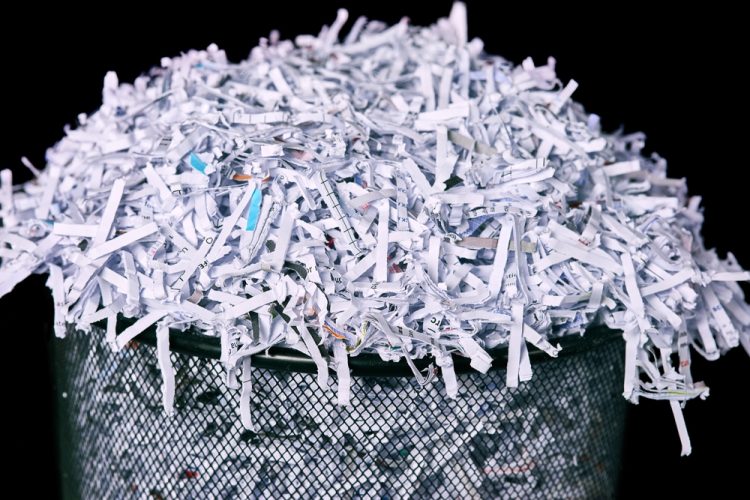
Bags of shredded documents were piling up at the prison's rear dumpster.
The Bureau of Prisons had sent an official After Action Team to investigate Epstein's death. That same team was shredding "huge amounts of paperwork" and using inmates to haul the remains to the dumpster. FBI agents, BOP officials, and OIG investigators were all inside the building at the time.
An inmate named Steven Lopez had been directed to carry approximately three bags of shredded paper to the rear gate on the night of August 15.
Lopez told Kearins the men running the shredders were ordering him to grab additional boxes. One of them, Lopez said, was a white man with a Southern accent that Kearins didn't recognize – someone he assumed was from the After Action Team.
Three days after his initial call, Kearins put it in a memo to investigators.
"I believe that this conduct may be inappropriate for [an] investigative team to be shredding paperwork related to the investigation," he wrote, "and you may want to investigate why BOP employees are destroying records."
An FBI agent responded the same day – "Can we take a look at the dumpster ASAP?" – but the trash had already been collected that morning.
FBI Closed the Epstein Evidence Destruction Case in 19 Days and Called the Whistleblower a Liar
The DOJ's Office of the Inspector General sat down with Lopez on August 20 – and in fifteen minutes of yes-or-no questions, concluded he had no idea what was in the bags and was just doing his usual trash runs.
Kearins was interviewed eight days after that. He confirmed what he had seen and told investigators everything Lopez had relayed to him about the shredding operation.
On August 29 the FBI closed the investigation.
The closing memo said Kearins had a reputation for filing unfounded complaints and there was "no evidence to support the complaint."
Federal prosecutors had already flagged a separate problem: every institutional count slip from before August 10 – the records logging every inmate check conducted in the building – had gone missing.
Prosecutors requested those records on August 12, two days after Epstein's death. They were gone before the shredding started.
The two guards on duty the night Epstein died – Tova Noel and Michael Thomas – told the OIG they knew nothing about any missing file. Both later admitted to falsifying BOP records to show they had checked on Epstein every thirty minutes before his body was found. The OIG confirmed those checks never happened.
The security cameras covering Epstein's cell stopped recording in late July 2019 and were never fixed.
Kash Patel Said the Epstein Cover-Up Existed Because of Who Was on the List
The federal government opened three separate probes in 2019 – one into Epstein's death, one obstruction case covering the shredding, and a corruption investigation. All three were quietly transferred from FBI criminal jurisdiction to the OIG.
The OIG cannot prosecute anyone.
The shredded documents are only the latest in a long line of details surrounding Epstein's death that don't add up.
Guards Noel and Thomas were caught sleeping at their posts instead of conducting required thirty-minute checks. Security cameras covering his cell stopped working weeks before he died and nobody fixed them.
Epstein's entire MCC file went missing before prosecutors could review it. An inmate was used to haul shredded evidence to a dumpster while federal investigators were still in the building.
The After Action Team that declared his death a suicide was made up of people whose names were redacted from every document released to the public.
Kearins reported what he saw and got called a chronic complainer. Lopez answered fifteen yes-or-no questions and walked. Five years later, the files are out – and the men who ran the shredders still haven't been identified.
Sources:
- Derek VanBuskirk, "Investigators Shredded Piles Of Epstein Docs After His Death, Prison Guard Told FBI: REPORT," The Daily Caller, March 23, 2026.
- Julie K. Brown and Claire Healy, "Bags of shredded documents at NY jail after Epstein's death, officer tells FBI," Miami Herald, March 21, 2026.
- "Investigation and Review of the Federal Bureau of Prisons' Custody, Care, and Supervision of Jeffrey Epstein at the Metropolitan Correctional Center," DOJ Office of the Inspector General, June 2023.
- "Epstein Files Transparency Act," H.R. 4405, 119th Congress, November 2025.
- "Epstein files omit Bondi, Blanche and Patel records, watchdog complaint says," Axios, February 6, 2026.