


The Palm Beach police finally got their search warrant for Epstein's mansion – and walked in to find loose wires where the computers used to be.
Someone had been there first.
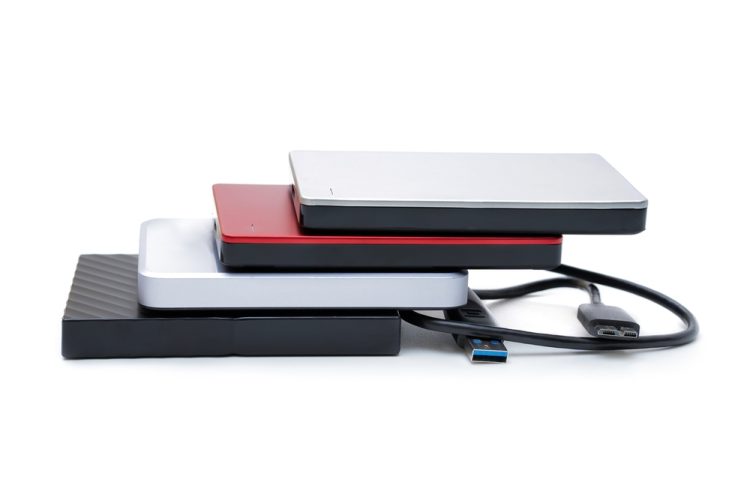
Now Epstein's own attorney just confirmed under oath who had those hard drives – and it was never the FBI.
What Darren Indyke Just Told Congress About the Epstein Files
Darren Indyke – Jeffrey Epstein's personal attorney for more than two decades – sat for a deposition before the House Oversight Committee and dropped something that should stop every American cold.
"After Epstein's conviction, after he served jail time, through conversations with defense counsel I became aware that there were computer hard drives in the possession of private investigators," Indyke told investigators. "I just don't know how they came into possession, but I knew of the existence of hard drives."
He knew. He said nothing.
According to documents released by the Department of Justice, private investigator Paul Lavery – working for Epstein's criminal defense lawyer Roy Black – showed up at the Palm Beach mansion in October 2005, less than two weeks before police were scheduled to execute a search warrant. He walked out with more than 100 pieces of potential evidence.
Three desktop computers. Twenty-nine bound phone directories. A three-page list of nearby masseuses. Nude photographs. More than 40 pornographic VHS tapes. Sex-slave manuals. Epstein's concealed carry permit. A Harvard University ID card. Over $2,000 in cash.
Gone – before police ever arrived. Detectives found only loose wires where the machines had been.
The Missing Epstein Computers That Could Have Sent Him to Prison for Life
One of those three missing computers was hard-wired to Epstein's home surveillance system.
Prosecutors believed it contained footage – actual video – of what happened inside that mansion. The FBI's own court filing made it plain: video of victims inside the home would destroy any claim they were never there.
Marie Villafaña, the assistant U.S. attorney who fought to indict Epstein and was repeatedly overruled by her bosses, later told DOJ investigators exactly what was at stake. Those drives, she said, "would have put this case completely to bed" if they had contained what prosecutors suspected.
Instead, Epstein's legal team fought every subpoena for years – arguing the computers were protected by attorney-client privilege. A federal judge paused the litigation while prosecutors weighed their options.
Then Alexander Acosta made his deal. The subpoena was withdrawn as a condition of Epstein's 2008 non-prosecution agreement. Prosecutors traded the computers for the plea. Epstein served 13 months, spent his days on work release, and walked free.
Meanwhile, private investigator Bill Riley sent Epstein's attorneys a message in 2009 – preserved in documents now released by the DOJ – confirming the computers were locked in storage.
The lawyers' answer: keep them hidden, make sure victims' civil attorneys never find them, hold them exactly where they are.
Epstein kept paying the storage facility rent until 2019. The year he died.
The Palm Beach Mansion Raid That Found Only Loose Wires
Villafaña didn't go quietly. She sent an email to her supervisors in 2007 calling their behind-her-back plea negotiations with Epstein's lawyers "inappropriate" – and said any deal that didn't first secure those computers made no sense.
Her bosses ignored her. Acosta signed anyway. Thirty identified victims got nothing. Epstein registered as a sex offender, did his 13 months, and went right back to work.
The DOJ's own Office of Professional Responsibility later concluded the computers contained "potentially critical" evidence – and it was "clear Epstein did not want the contents of his computers disclosed." That report came out in 2020. The computers are still missing.
House Oversight Committee Chairman James Comer is now pushing to get the three private investigators – Lavery, Riley, and Kiraly – on the record before Congress. "We are bringing in anyone that has any information that would be helpful to our investigation," Comer said, "and hopefully we'll be able to get the truth to the American people and provide some type of justice for the victims."
Those three men know where the drives went. They know what was on them. For 20 years, powerful lawyers paid to make sure no one in law enforcement ever got close enough to ask.
The former Palm Beach police chief said at the time the mansion "had been cleaned up" before officers arrived. A personal assistant told the FBI that Epstein himself instructed her to gather items from the house for an unnamed man to collect. She thought she was helping law enforcement.
She was not.
Three computers vanished before the 2005 raid. The deal that killed the subpoena was signed in 2007. The storage rent was paid through 2019. Epstein's own attorney confirmed under oath this month that the drives went to private investigators and never came back.
Every step of the way, someone made a decision that kept those hard drives out of law enforcement hands – and that someone had a name.
Now Comer wants those names on the record.
Sources:
- "House Oversight Panel Seeks Testimony from Private Investigators Who Removed Evidence from Epstein's Home," ABC News, March 27, 2026.
- "Epstein Hid Trove of Evidence from Investigators for More Than a Decade, Documents Suggest," ABC News, February 2026.
- "Epstein Hid Computers in Storage Units in Palm Beach County and Beyond," The Palm Beach Post, February 2026.
- "Key Takeaways from the Justice Department Review of Jeffrey Epstein Sweetheart Deal," ABC News, November 2020.
- Department of Justice Office of Professional Responsibility, Report on the Investigation of Jeffrey Epstein, November 2020.